
Ready mix concrete is concrete batched at a plant to a specified mix design, then delivered to site ready for immediate use. It offers consistent quality, saves on-site labour, reduces waste, and is widely used for foundations, driveways, slabs and commercial pours where accurate, reliable concrete supply matters.
If you have ever wondered what ready mix concrete means, the simple answer is this: it is fresh concrete prepared off-site under controlled conditions and delivered when you need it. For homeowners, builders and contractors, this makes the job quicker, cleaner and easier to manage.
In this guide, Elite Concrete explains how ready mix concrete works, where it is used, how it compares with volumetric concrete, and what to check before placing an order.
What Is Ready Mix Concrete?
Ready mix concrete is a pre-batched concrete product made at a concrete plant instead of being mixed by hand or on site. The materials, usually cement, water, sand and aggregate, are measured to a specific concrete mix design to achieve the required strength and performance.
This means the concrete arrives ready to pour. You do not need separate materials or on-site mixing equipment. Because it is produced in a controlled environment, ready mix concrete is a popular choice when consistency, quality and time efficiency matter.
- Ready Mix Concrete Meaning: Concrete made at a batching plant and delivered to site ready for placement.
- Main Advantage: Better quality control than most site-mixed concrete.
- Typical Uses: Foundations, driveways, footings, slabs, paths, patios and commercial pours.
For more technical background on concrete as a building material, Encyclopaedia Britannica provides a useful overview.
How Ready Mix Concrete Is Made And Delivered
Understanding the delivery journey helps explain why ready mix concrete is popular on both domestic and commercial projects. The process keeps the mix accurate and the concrete workable when it reaches site.
Batched At A Concrete Plant
The first stage is batching. At the plant, the raw materials are weighed and combined to match the required specification. This could be a standard mix for a shed base or a more specialised mix for structural work.
Using a batching plant improves accuracy and repeatability. Guidance from The Concrete Centre highlights the importance of correct mix design and performance for different applications.
Transported By Mixer Lorry
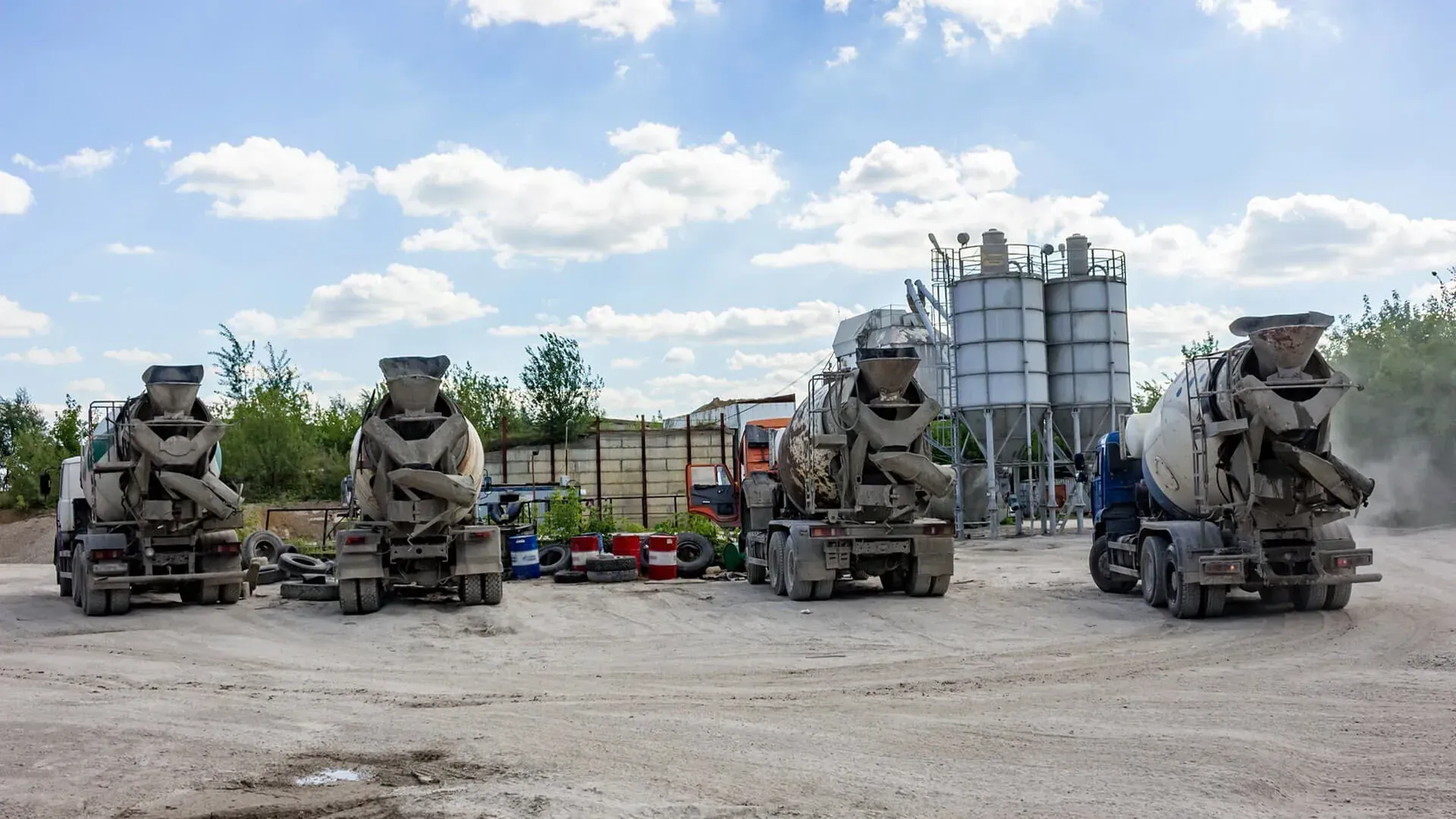
Once batched, the concrete is loaded into a mixer lorry. The drum rotates during transport to keep the mix uniform and workable. Delivery timing matters because concrete begins to change as soon as the cement and water interact.
This is why reliable scheduling is important. Traffic conditions, travel distance and site readiness can all affect the pour window.
Poured And Placed On Site
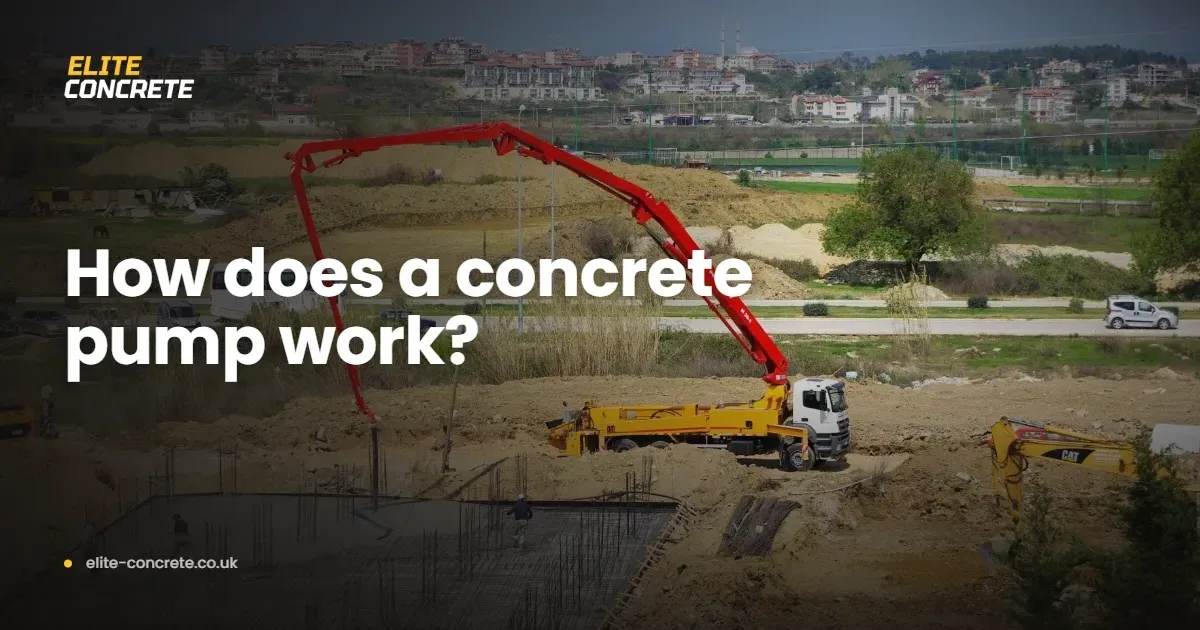
When the lorry arrives, the concrete is discharged directly where possible. If needed, workers move it with wheelbarrows, chutes or pumping equipment. For sites with awkward access, upper floors or long distances from the road, a pump is often the most practical option.
If access is tight or the pour point is hard to reach, you can explore concrete pump hire through Elite Concrete. Safe site planning also matters, and the Health and Safety Executive offers useful construction safety guidance.
What Ready Mix Concrete Is Used For
Ready mix concrete suits a wide range of projects because you can order it to match the job. It is common in both small domestic work and larger construction schemes.
Domestic Projects
Homeowners often use ready mix concrete for:
- Driveways: Strong, durable support for vehicles and regular use.
- Patios And Paths: A reliable base or finished surface, depending on the design.
- Shed Bases: A stable, level foundation for garden buildings.
- Footings And Foundations: Essential support for extensions, walls and outbuildings.
- Garage Floors And Slabs: Suitable for solid, long-lasting surfaces.
Commercial And Construction Projects
On larger sites, ready mix concrete is often used for:
- Ground Slabs: Accurate, repeatable pours for warehouses and units.
- Foundations: Reliable structural support for buildings and infrastructure.
- Pavements And Hardstandings: Durable surfaces for traffic and loading areas.
- Reinforced Concrete Elements: Suitable where engineered specifications must be met.
Whether the job is domestic or commercial, Elite Concrete can help you explore the right options through its concrete supply services.
Benefits Of Ready Mix Concrete
Many people choose ready mix concrete for one simple reason: it reduces hassle while improving consistency.
Consistent Mix Quality
Because the mix is prepared in a controlled batching plant, the proportions are more consistent than hand mixing on site. This helps with strength, finish and overall reliability.
For projects where specification matters, quality-controlled concrete can make a major difference.
Faster Installation
Ready mix concrete saves time because it arrives prepared for immediate use. There is no need to store separate raw materials, measure them out or run mixers throughout the day.
This can be especially helpful on jobs with tight schedules or limited labour.
Reduced Waste And Mess
Ordering the right amount of concrete cuts down on leftover materials, packaging and on-site mess. It also avoids repeated handling of sand, cement and aggregate.
If you want help planning quantities before ordering, Elite Concrete offers a useful concrete calculator to estimate the volume you need.
Ready Mix Concrete Vs Volumetric Concrete
People often compare ready mix concrete with volumetric concrete because both are delivered to site. However, they work in different ways.
Key Differences In Batching And Flexibility
Ready mix concrete is fully batched at the plant before delivery. Volumetric concrete is mixed on site in a specialist lorry, which allows the exact amount to be produced as needed.
- Ready Mix Concrete: Best for planned pours where the required volume and specification are known in advance.
- Volumetric Concrete: Useful when the quantity may change or when multiple mix types are needed on one visit.
If you want to compare both options, visit the ready mix concrete and volumetric concrete services from Elite Concrete.
When Each Option Is Best
- The Specification Is Fixed: Ideal for straightforward, pre-measured pours.
- Speed Matters: The concrete arrives ready to place.
- Consistency Is Critical: Plant batching offers dependable mix control.
- The Final Volume Is Uncertain: Helpful for irregular excavations or changing site needs.
- Site Conditions May Vary: The mix can be adjusted on location.
- You Want To Reduce Over-Ordering Risk: Only the required amount is mixed.
Factors To Consider Before Ordering Ready Mix Concrete
Before you book a delivery, it is worth checking a few practical details. This helps the pour run smoothly and reduces delays or waste.
Volume Needed
Ordering too little concrete can interrupt the pour and affect the finish. Ordering too much can increase waste and cost. Measure the length, width and depth of the area carefully, then calculate the volume in cubic metres.
You can use the concrete calculator from Elite Concrete for a quick estimate.
Site Access And Pump Requirements
Check whether a mixer lorry can reach the unloading point safely. Consider gate widths, driveways, parked cars, soft ground and overhead restrictions. If direct discharge is not possible, a pump may be needed to move the concrete efficiently.
If you are unsure, contact Elite Concrete for advice before ordering.
Timing, Weather And Setting
Plan concrete placement around the weather and site readiness. Hot conditions can speed up setting, while colder temperatures may slow it down. Everyone involved should be ready before the lorry arrives, including groundworkers, formwork and finishing teams.
For a tailored price or delivery plan, you can request a quote from Elite Concrete.
Frequently Asked Questions About Ready Mix Concrete
How Long Does Ready Mix Concrete Take To Set?
Ready mix concrete usually begins to stiffen within a few hours, but full setting and strength gain take longer. In many cases, it is safe to walk on after 24 to 48 hours, although this depends on the mix, temperature and site conditions. Concrete continues curing over time, and significant strength is often measured at 28 days.
Can Ready Mix Concrete Be Used For Driveways And Footings?
Yes. Ready mix concrete is widely used for driveways, footings, foundations, shed bases and slabs. The key is choosing the right mix design for the load and exposure conditions.
How Do You Calculate How Much Concrete You Need?
Measure the length, width and depth of the pour area, then multiply them together to get the volume. Convert the depth into metres before calculating cubic metres. For example, a slab measuring 5m x 4m x 0.1m needs 2 cubic metres of concrete.
If you want a faster way to work it out, use the online concrete calculator from Elite Concrete.
Conclusion
Ready mix concrete is a practical, quality-controlled solution for projects that need reliable performance, efficient delivery and a cleaner, faster pour. It is ideal for everything from domestic driveways and patios to foundations and large commercial slabs.
If you need help choosing between ready mix and volumetric concrete, planning your quantity or arranging pump access, Elite Concrete is here to help. Explore the latest advice on the Elite Concrete blog, or get in touch for expert support on your next project.